

Resources
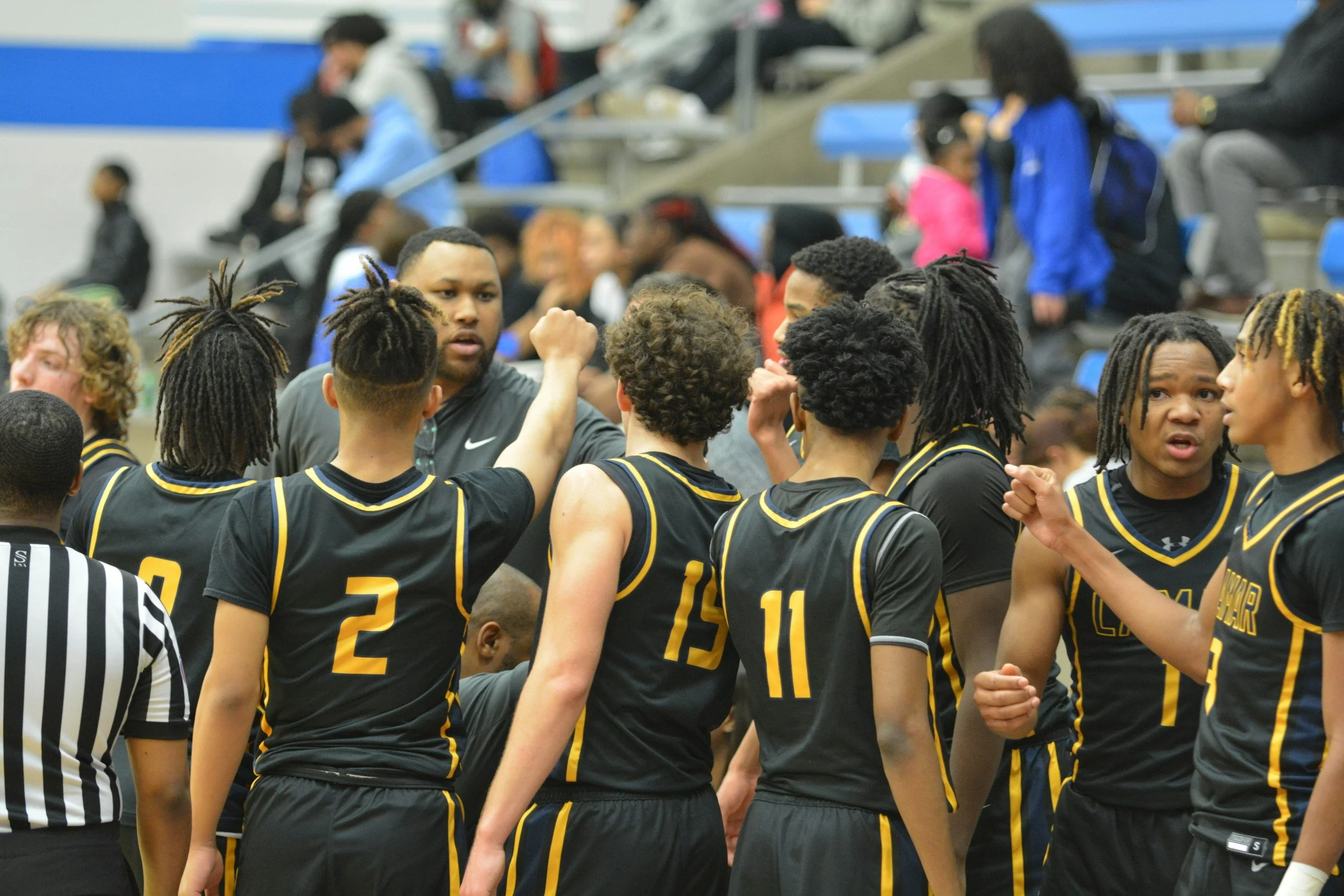
Explore tips, tools and research below. These are just a few of the elements we utilize to help clients unlock their potential- in sport and in life.
Traffic Lights
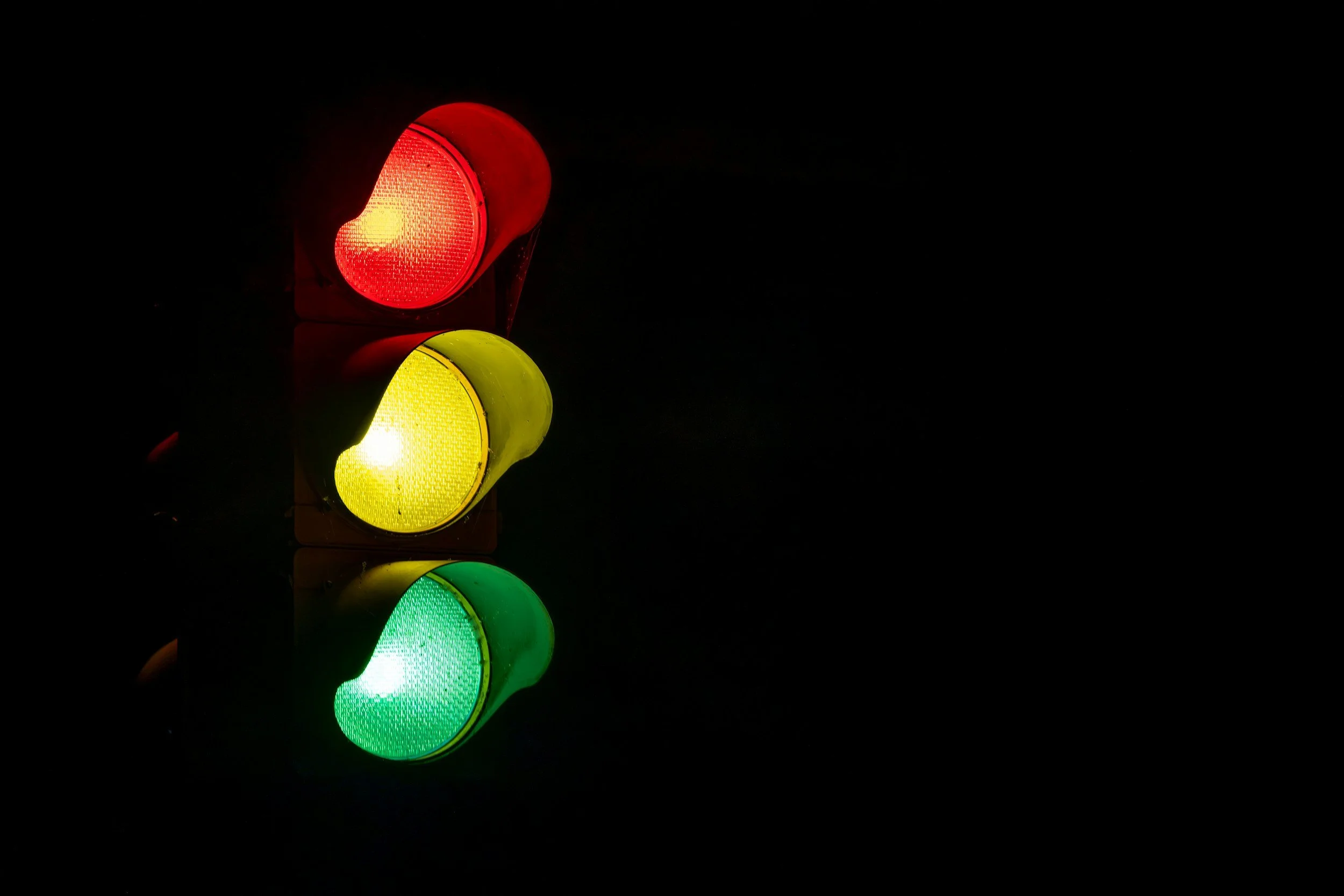
Traffic lights is one of the simplest and most effective tools that we teach athletes of all ages. It is a simple, effective system to quickly recognize when you are getting out of your desired flow state (the green light), whether in training or competition. Traffic lights is a foundational concept which we then build upon with other practical tools to optimize your performance.
The research behind this is often seen in the “Inverted U” of sports psychology, which describes the relationship between performance and stress.
Want to learn more? Contact us.
Concentration Grids
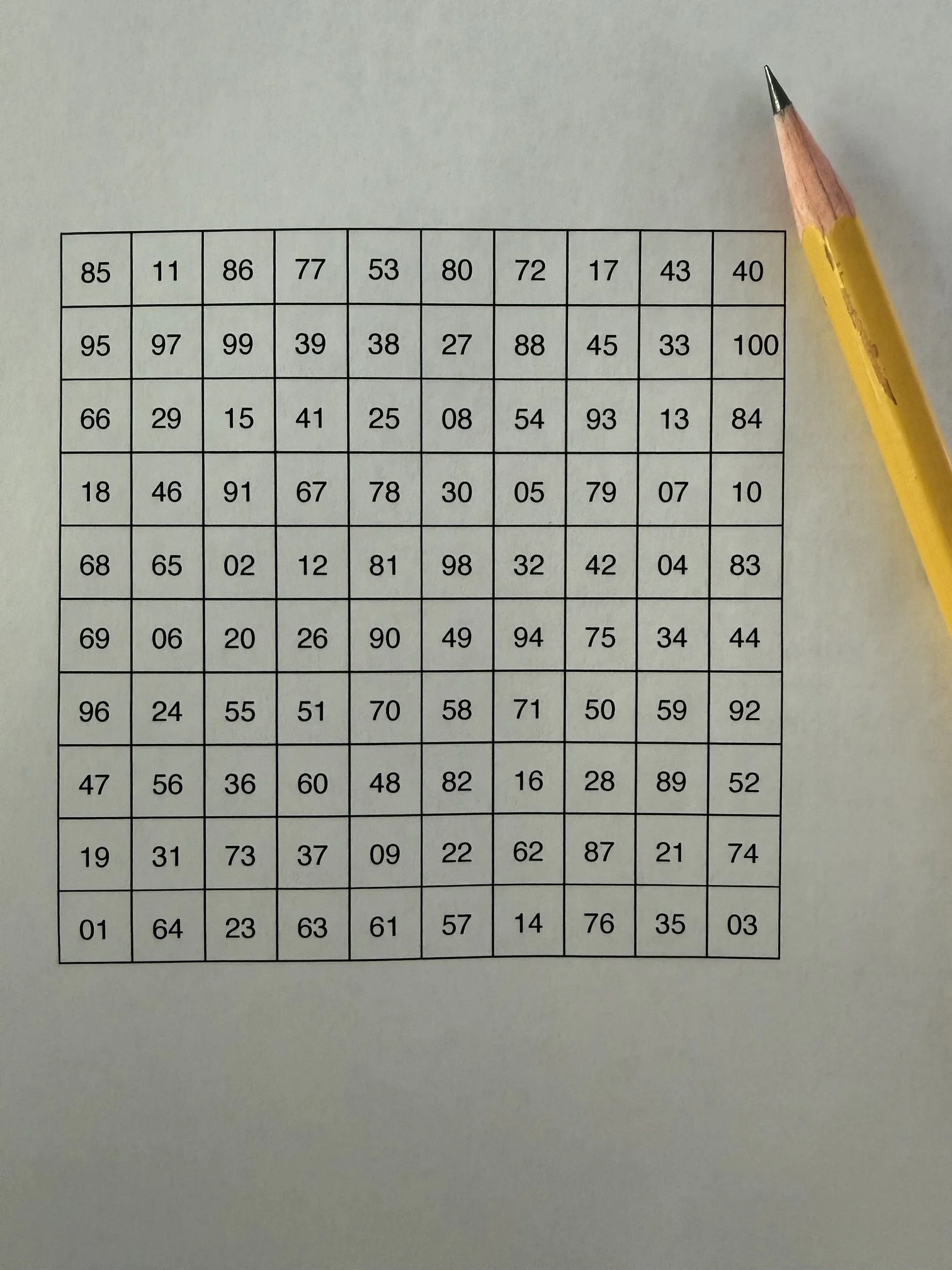
Want a simple tool to train your ability to focus in a world of distractions? Concentration grids offer a simple, fun way to improve your focus. Our athletes enjoy seeing the progress they make- first on paper, then in the competitive arena.
One summer, we had a D1 national champion, a youth state champion and well-respected surgeon all sitting at the kitchen counter competing with concentration grids. Things can get a little competitive. You’ve been warned. Keep it fun. Focus on the process, not just the results.
Want to learn more? Contact us.
No Shortcuts
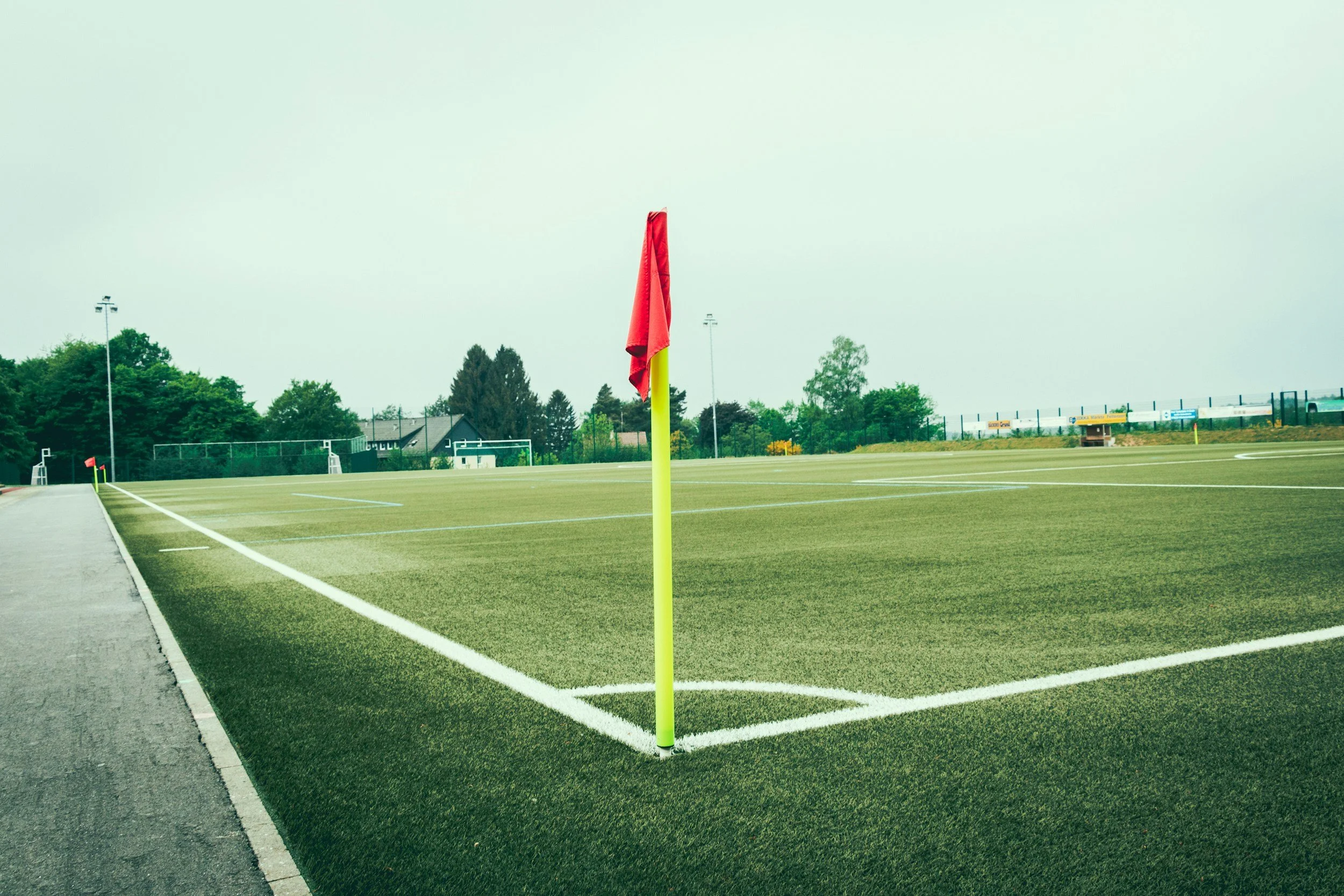
We are strong believers in using your day-to-day environment to reinforce your training and thereby improve your performance. For example, be the athlete who follows the path around the field. Do not take the shortcut.
Like anything else that you do repeatedly, taking shortcuts will become a habit. The way you approach walking through the training complex reflects the way you do everything else- your coursework, your strength training, your pre-game mental preparation.
Shortcuts cut short your learning, your growth and the undercut the likelihood of reaching your full potential. Be aware of your environment and make the deliberate choice each day not to take the short cut.
Want to learn more? Contact us.

High Standards, High Support
Research consistently shows that high performing teams have a combination of high standards and high support.
Either element alone is insufficient to optimize performance.
This concept is discussed in detail in book such as The Culture Code by Daniel Coyle and Multipliers by Liz Wiseman.
Do you want to understand how to apply this framework to your team and create a culture of sustainable excellence? Contact us.

x + 1
I learned this lesson at Naval Station Newport over 20 years ago and not a week passes during which I do not think about it.
At the end of long, grinding PT session, our squad leader would ask us to do one more rep. After we completed it, he ask us to do one more… and so on.
The lesson is you can do more than you think if you focus on the next rep, i.e. the present moment. That is all we control.
Want to learn more? Contact us.
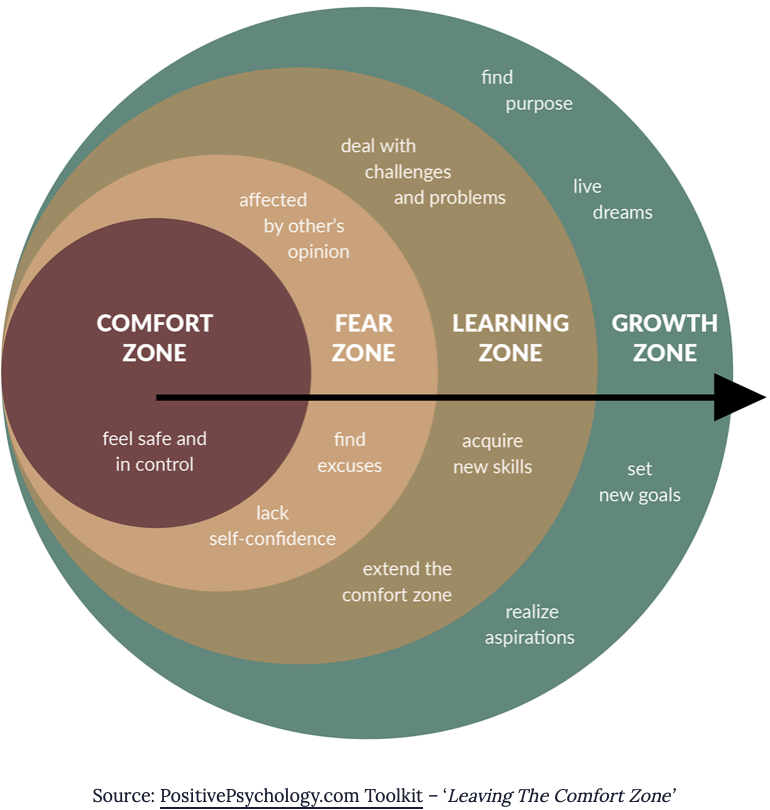
Spend Time in Your Growth Zone
High achievers develop the ability to consistently get out of their comfort zone, through the fear zone, into the learning zone and spend time in their growth zone.
In reality, the process is neither linear nor consistent across the different areas of one’s life.
Want to learn more about leaving your comfort zone and navigating to your growth zone? Contact us.