

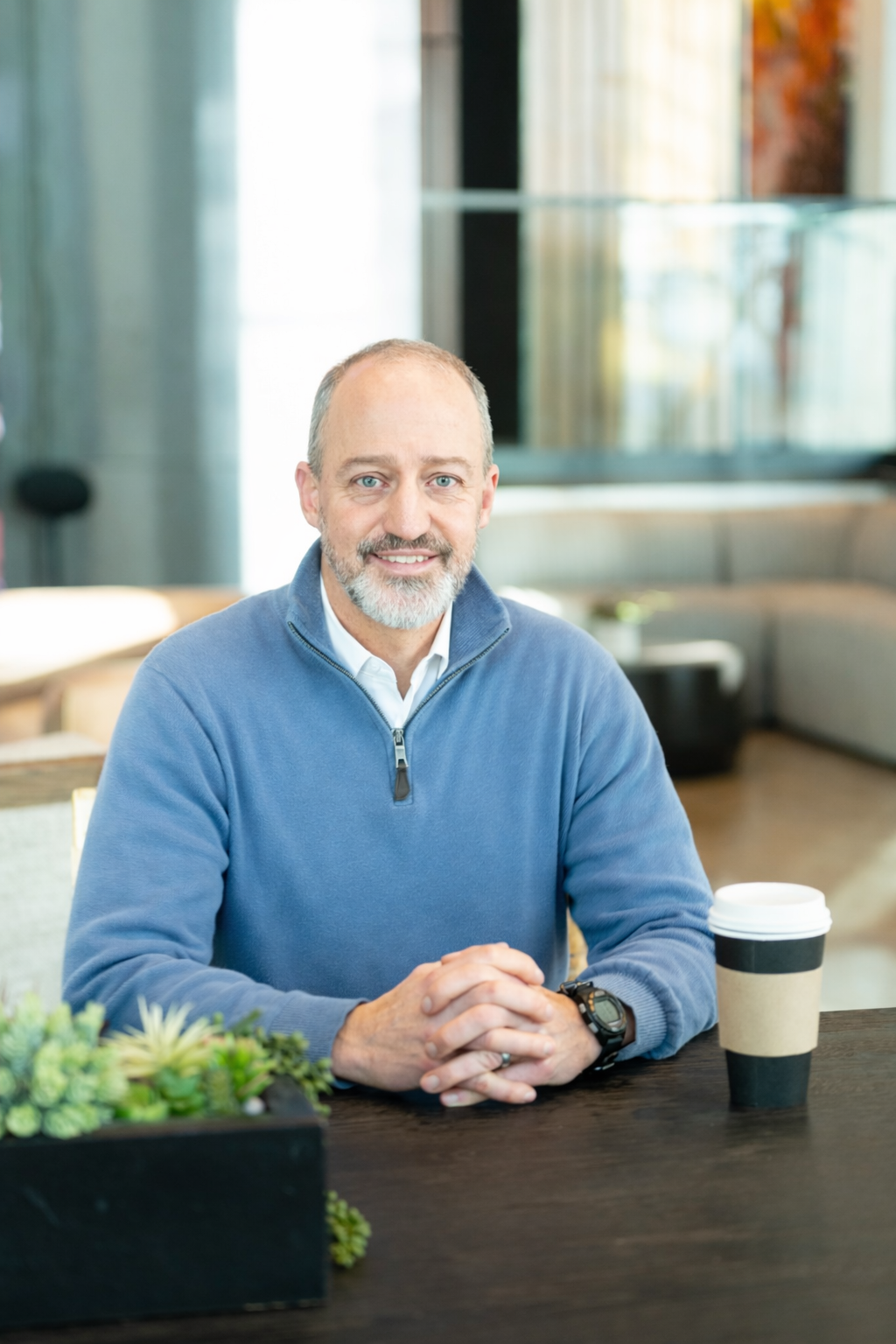

Dave Harvey (he/him)
Helping people develop the skills to perform at their best.
Dave Harvey believes potential is not something we simply have— it is something we develop.
His career has taken him through finance, business leadership, coaching and organizational development, but one theme has remained consistent: helping people become better at what they do.
Dave spent more than 10 years working in finance, business operations and project management, earning his MBA from the University of Minnesota. While in graduate school, he regularly walked by the university boathouse and began conversations with coaches across several sports on campus. Those conversations sparked an interest in coaching and in helping young people develop not only as athletes, but as individuals.
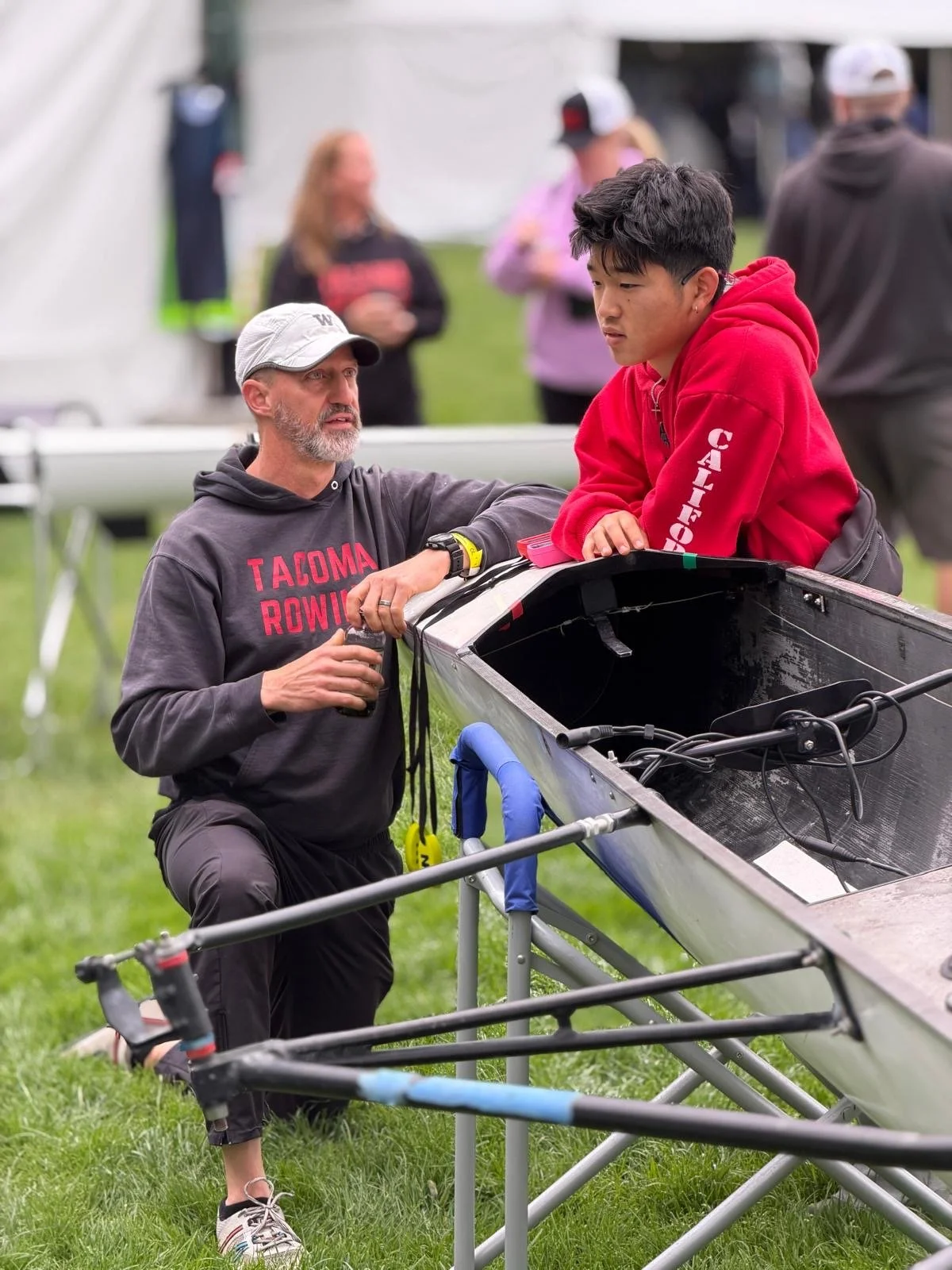
He went on to spend more than 10 years coaching high school and college athletes and founded Tacoma Rowing, a nonprofit organization created to make rowing more accessible to young people in the community. Through coaching and organizational leadership, Dave repeatedly saw that talent and hard work are important, but how an athlete responds to pressure, setbacks, mistakes and uncertainty can have an enormous impact on performance and development.
That realization led him to mental performance coaching.
Today, Dave primarily works with high school and college athletes, while also working with executives and other professionals who want to perform at a high level. His approach is individualized, research-backed, and practical. Rather than relying on one-size-fits-all formulas or quick motivational fixes, Dave works with each client to understand their unique challenges, identify opportunities for growth and develop mental skills and sustainable habits that can be applied in real-world situations.
Whether the goal is greater confidence, improved focus, performing under pressure, building resilience or developing more effective routines, Dave's goal is to help clients become more capable of managing their own performance—and continue growing long after the coaching relationship ends.
Dave grew up in Massachusetts and played a variety of sports before focusing on rowing during high school and college. He still loves to compete and has raced at the Indoor Rowing World Championships, stair-climbing events, long-distance road races, and adventure races. Now residing in the Pacific Northwest, outside of work, Dave enjoys spending time with his family, reading, traveling and being outdoors.
Dave's Coaching Philosophy
Individualized, not one-size-fits-all.
Every athlete is different. Dave works to understand each person's goals, experiences, strengths, challenges and environment before determining what skills and strategies will be most useful.Process over quick fixes.
Consistent performance comes from sustainable habits and effective processes—not simply motivation or trying to "think positively." The goal is to develop skills that hold up when things get difficult.Practical and applicable.
Mental skills are most valuable when they can be used in real situations. Dave helps clients translate concepts such as confidence, focus, visualization, emotional regulation and resilience into practical routines they can use in practice, competition, school, work and everyday life.Growth is the goal.
Performance coaching is not about eliminating mistakes, pressure or setbacks. It is about learning how to respond to them. Dave's goal is to help people become more self-aware, adaptable and confident in their ability to navigate challenges and continue developing over time.
Dave is a passionate advocate for transformational coaching and believes sport can play a powerful role in helping young people develop confidence, character, resilience and a lifelong commitment to growth.
What does Up2 mean?

Up2 has several meanings:
We can provide tools, training and support, but anyone’s progress is ultimately up to their own effort, commitment and focus.
Peer-reviewed observational studies on public health find that anywhere between 2% and 10% of people take the stairs when an escalator is present. When going up, make the deliberate choice to be in the 2%.
“Up 2” is a call frequently made in rowing races. As a coach, I too often see boats mimic a nearby crew, rather than row the race based on their own strengths and knowledge of how to best adapt their plan mid-race.
Having grown up in New England and lived in the Midwest for a number of years, University Place Washington is now home.